Folklore · TinType
Salt Spring Island tintype photography, made to last a century.
One-of-a-kind wet plate portraits, made by hand with the same 19th-century process, a single object on metal that exists nowhere else.
Scroll
Folklore · TinType
One-of-a-kind wet plate portraits, made by hand with the same 19th-century process, a single object on metal that exists nowhere else.
The process
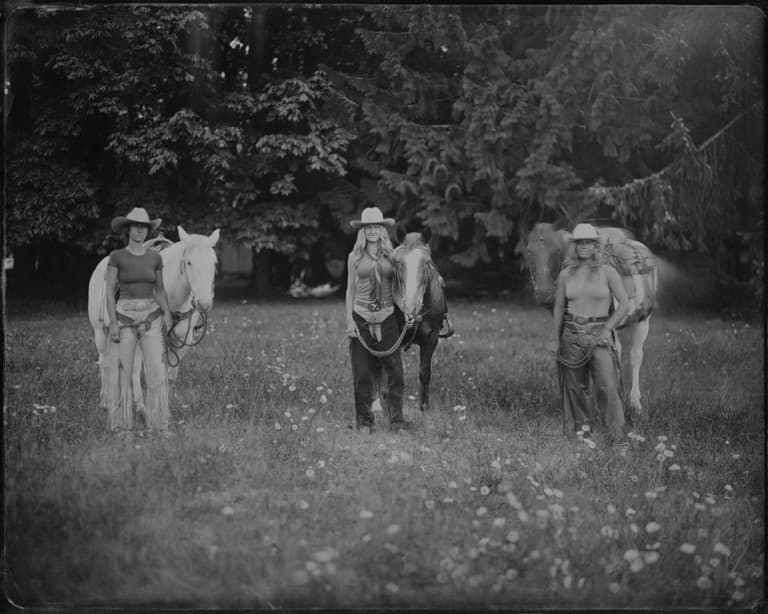
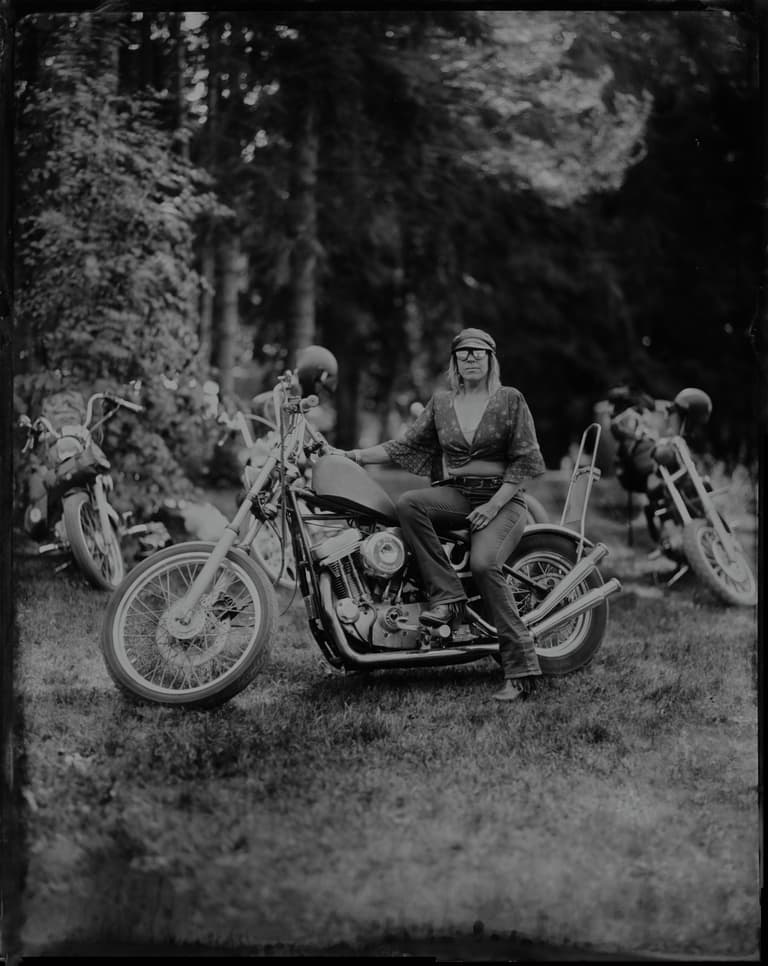
A tintype isn't printed. It's made, by hand, in the moment, on a plate of blackened aluminum. Wet plate collodion was the main form of photography from the 1850s to the 1920s: the plate is coated in light-sensitive chemistry, exposed, and developed while it's still wet, all within a few minutes.
Exposures are slow (three to eight seconds in natural light, or a 1/60th of a second under studio lights), so a sitting asks you to slow down too. What you’re left with is a single physical object: no file, no negative, no copies. Just the one.
The look is unmistakable: deep silver tones, real texture, a quality of light digital can only imitate. Made well, a tintype can outlast the person in it, which is exactly why people have always passed them down.
Sit for a tintype
A sitting is a slow, deliberate, quietly memorable thing: a portrait you’ll keep for the rest of your life and hand to someone after that. Available in the studio and as a photo-booth experience for weddings and events.
Why a tintype?
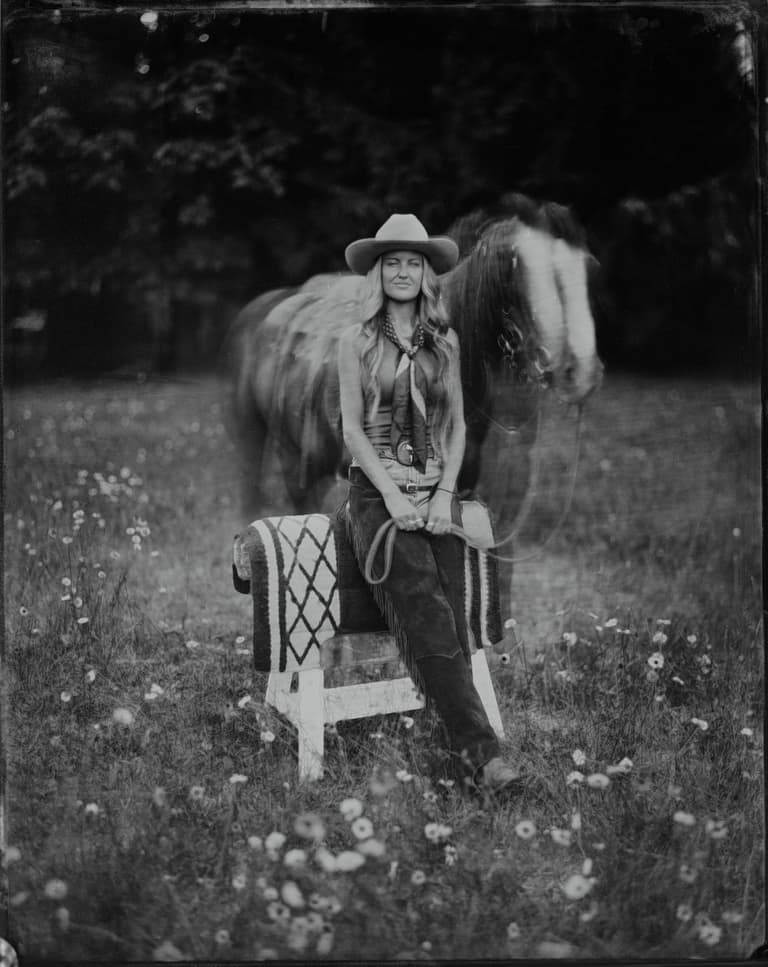
Every plate is made individually, by hand. No two are identical.
Tintypes are known to last generations, far beyond an ordinary print.
Rich metallic tones and real texture give the image a depth a paper print can't reach.
Pricing
An 8×10 tintype with a high-resolution scan: $200, or three for $400. Around 45 minutes, and the original plate is yours to keep.
Four 8×10 plates somewhere that means something to you: $650 plus travel, depending on the location. See recent sessions, then email to arrange.
Digital to tintype
Already have an image you love? I can render it onto metal as a real 8×10 wet-plate tintype, a digital memory made physical, built to outlast the file it came from. Email me the photo to begin.
Sittings
Dates go up here as they are set.
Where next
The camera travels, and where it goes next is mostly decided by where people are asking for it. Tell me the region and the town you are in, and I will write when there are sittings within reach of you.
Nothing is booked and nothing is owed.
Book a session
Email me for available dates and to reserve your spot. Keeping this work accessible matters to me: if the price is out of reach right now, say so, and we’ll find a way; I’m always open to working by donation.
Selected work
From the Journal