Silver & Tin Goes to Renegade Riot
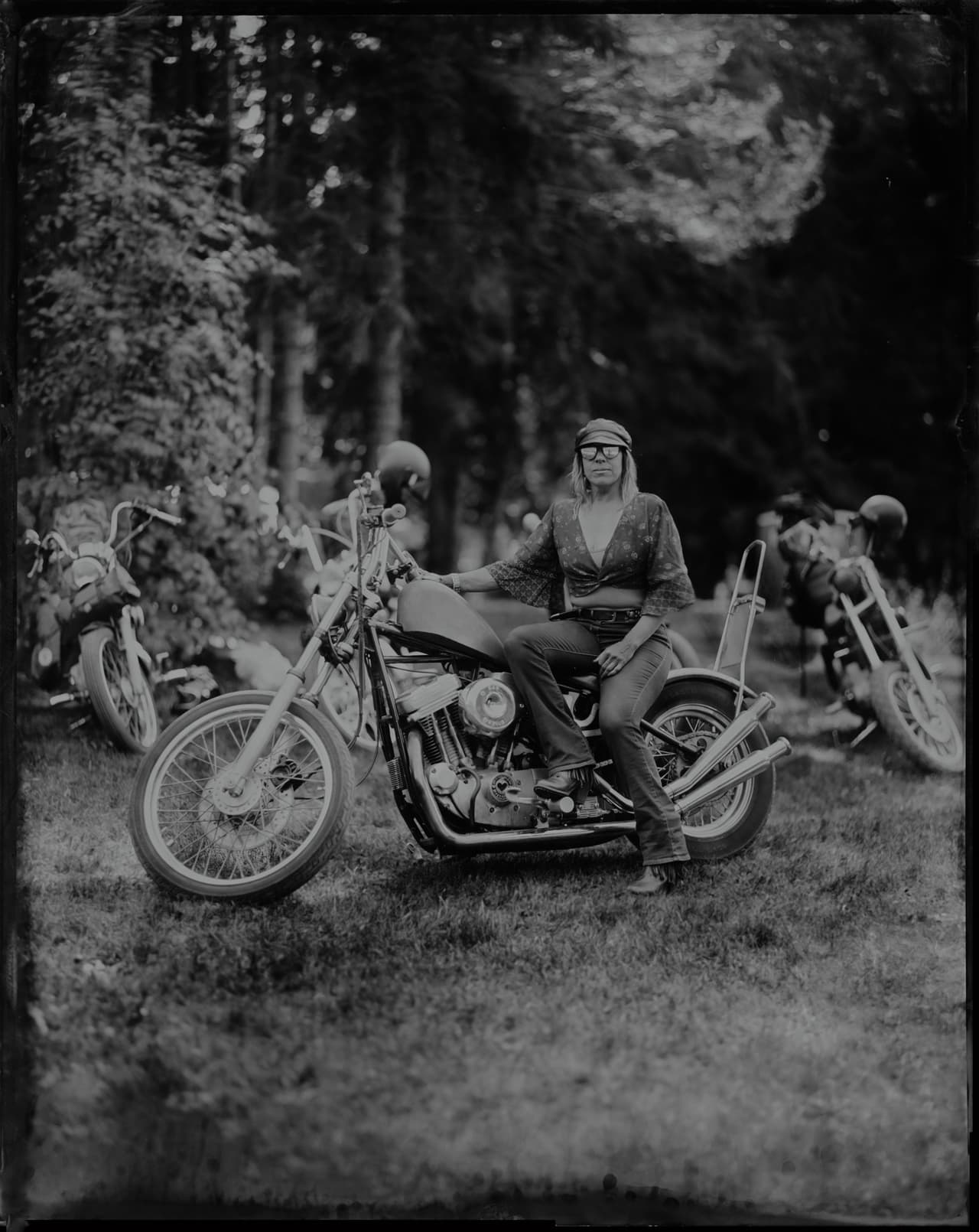
We packed the wet-plate kit and headed out to Renegade Riot, where chrome and leather met hand-poured silver. Here is how a day of Motorcycle TinTypes actually unfolded.
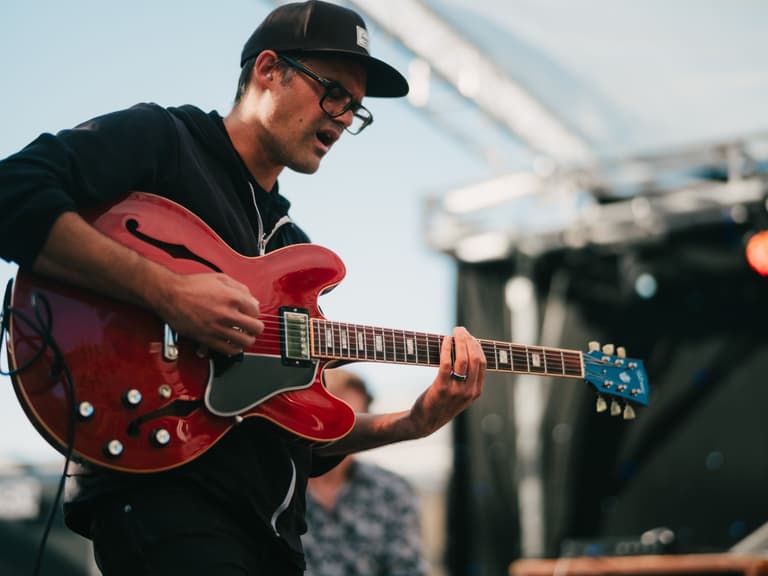
Renegade Riot is a motorcycle gathering, and we brought our hand-poured wet-plate kit to shoot Motorcycle TinTypes there, real portraits of bikes and riders made the slow way, on sheets of blackened metal, one plate at a time.
We took the tintype kit out to Renegade Riot to shoot Motorcycle TinTypes, and it turned out to be one of the most enjoyable shoots we've done all year. Wet-plate photography is slow and physical by nature, and pairing that patience with the chrome, leather, and grease of motorcycles felt exactly right, every plate came back looking like it had been waiting a hundred years to be made.
Why motorcycles and tintypes belong together
There's a shared honesty between an old craft and a well-built machine. A hand-poured plate reads metal like nothing else: polished tanks turn to liquid silver, spokes go razor-sharp, and worn leather picks up a depth that digital sensors quietly flatten. Motorcycle TinTypes lean into all of that. The long exposure asks the rider to hold still, and in that stillness you get a portrait that feels carved rather than snapped. It suits the bikes, and it suits the people who ride them.
What is it actually like to shoot wet plate on location?
It is equal parts chemistry and choreography. Each plate is poured, sensitised, exposed, and developed inside a few short minutes, so the day moves in deliberate bursts, pour, shoot, run to the darkbox, fix, and then that small held breath while the image rises out of the silver. Working away from the calm of our home studio adds a happy chaos to it: dust, changing light, and a crowd leaning in to watch a photograph appear on a sheet of metal. That reaction never gets old.
The crew at Renegade Riot
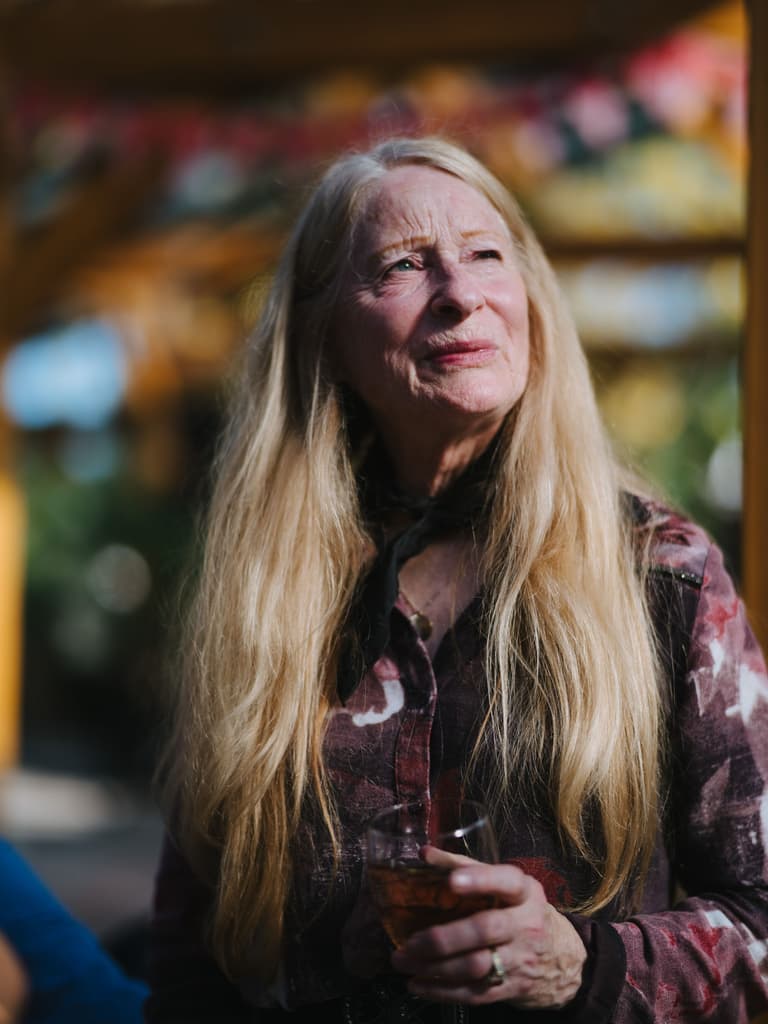
Half the pleasure of the day was the people. The folks at Renegade Riot were generous with their time, their machines, and their patience with our unhurried process. They understood immediately what we were after, not a quick snap, but a real portrait made the slow way. You can see more of what they build and ride over on the Renegade Riot website, and it's well worth a look if you love bikes with character.
There's something honest about a machine and a plate made the slow way, both are built to last, and both show every honest mark.
How does a tintype hold up next to a digital photo?
A tintype is a one-of-one object. There is no negative and no file, the plate you hold is the original, made in the camera, and it will outlast most of what lives on a hard drive. That permanence is the whole point. We still love our digital photography and film work for the flexibility they give a shoot, but a hand-poured tintype is a different kind of keepsake, heavy, tactile, and quietly imperfect in all the ways that make it feel alive.
Bringing Motorcycle TinTypes to your own bike
If a day like this speaks to you, we'd happily bring the kit to your bike, your build, or your shop. Motorcycle TinTypes work beautifully as a single hero portrait or a small series, and they make heirlooms out of machines that already mean something to their owners. Have a wander through the rest of our journal to see how we approach this craft, and get in touch when you're ready to make one of your own.
What are Motorcycle TinTypes? +
They are hand-poured wet-plate tintypes made of motorcycles and their riders. Each plate is poured, exposed, and developed on location within minutes, producing a one-of-one metal photograph that renders chrome, leather, and steel with unusual depth.
Can you shoot tintypes on location rather than in the studio? +
Yes. We took the full wet-plate kit out to Renegade Riot and worked entirely on site. The whole pour-expose-develop process happens in a portable darkbox, so we can make plates almost anywhere with a little space and shelter.
How is a tintype different from a digital photo? +
A tintype is a one-of-one original made in the camera. There is no negative or file. The plate itself is the photograph, and it's a tactile, durable object built to outlast most digital storage.