A Squamish River Ranch Wedding Where the Forest Opens and Cold Water Runs Clear
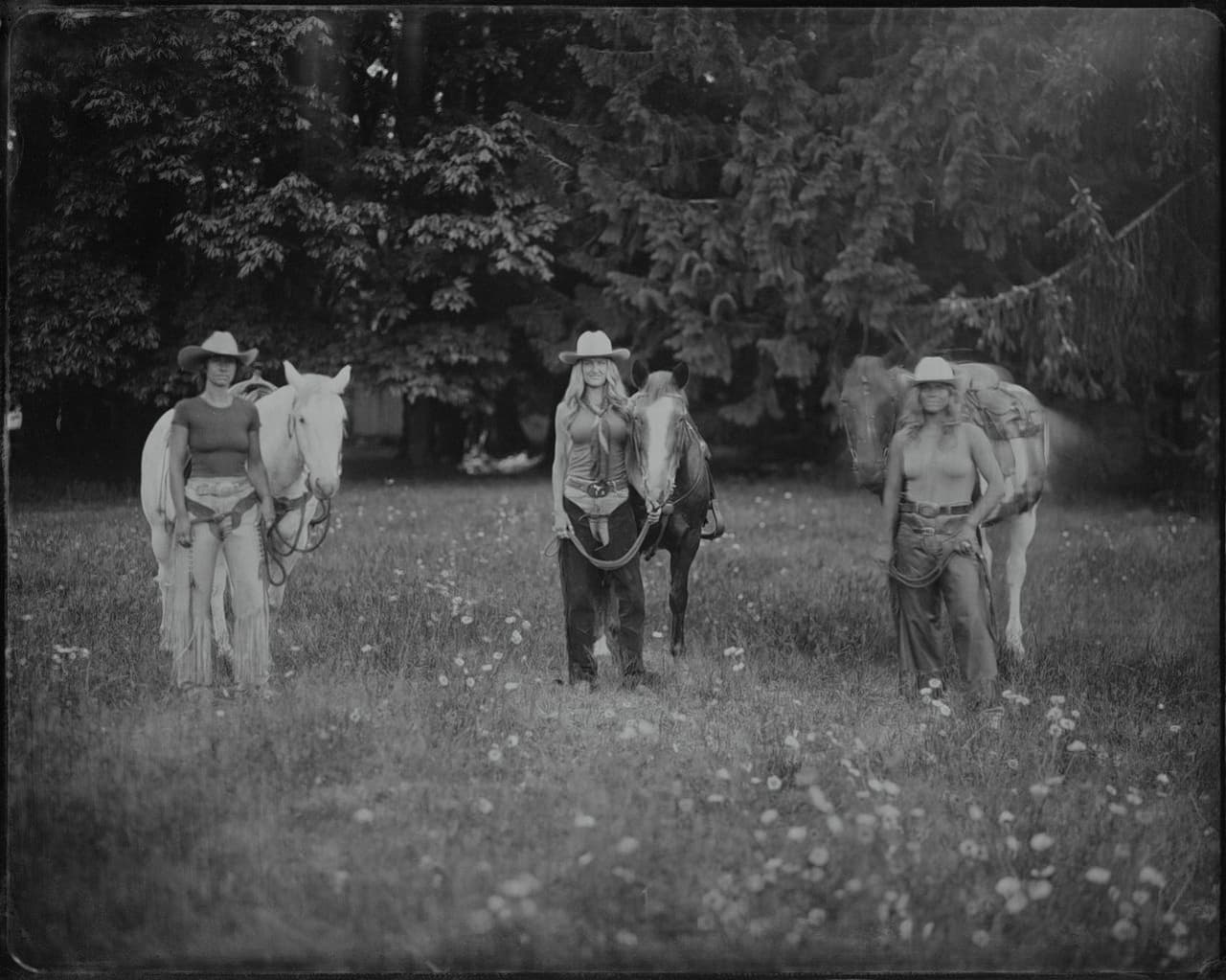
A reflection on a few days spent at the Squamish River Ranch, hand-pouring tintypes and shooting digital portraits with the people who call this valley home.
The Squamish River Ranch is a working horse ranch where the Squamish River runs cold and clear past the paddocks. I spent a few days there making hand-poured tintypes and digital portraits with local community members, then brought the plates home to Salt Spring to varnish and keep.
I spent a few days at the Squamish River Ranch this season, and I am still turning the light of it over in my mind. The ranch sits where the forest opens and the water runs cold and clear, and there is a stillness to that meeting of trees and river that suits the slow work I love best. I came to make tintypes and digital portraits with local community members, and I left with plates I will keep for a long time.
Where the Forest Opens on the Squamish River Ranch
There is a particular quality to the light in that valley: soft in the mornings, low and gold toward evening, the kind of light that silver loves. The Squamish River Ranch gave me room to work at the pace this craft asks for. You can read more about the place and its horses on the Squamish River Ranch website, but no page quite holds the smell of the cedar or the sound of the water moving past the paddocks.
Squamish River Ranch Tintype Photography by the Cold, Clear Water
Wet-plate work does not hurry. Each plate is poured, sensitised, exposed, and developed while it is still wet, all within a handful of minutes, so the whole day bends around the chemistry. Setting up my portable darkroom by the river, I found the ranch to be a generous place to practise this kind of hand-poured tintype photography. Every plate carries a little of the day it was made, a fingerprint of light, a drift of grain, the honest imperfections that make a tintype feel like something worth keeping.
Faces from the Valley
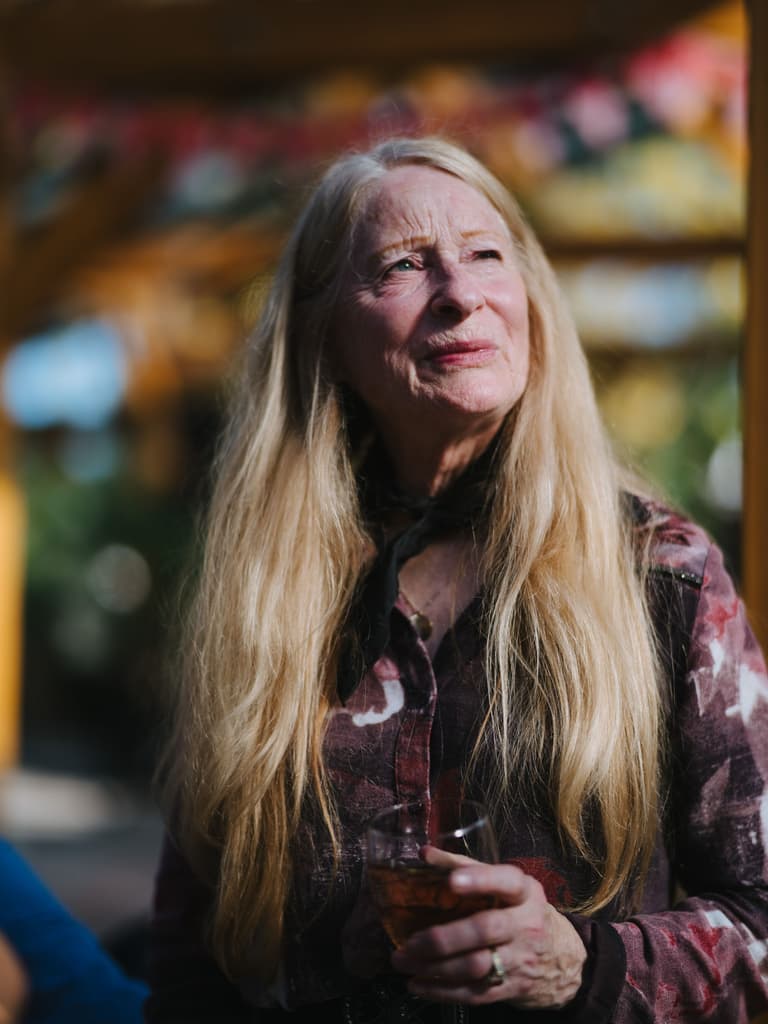
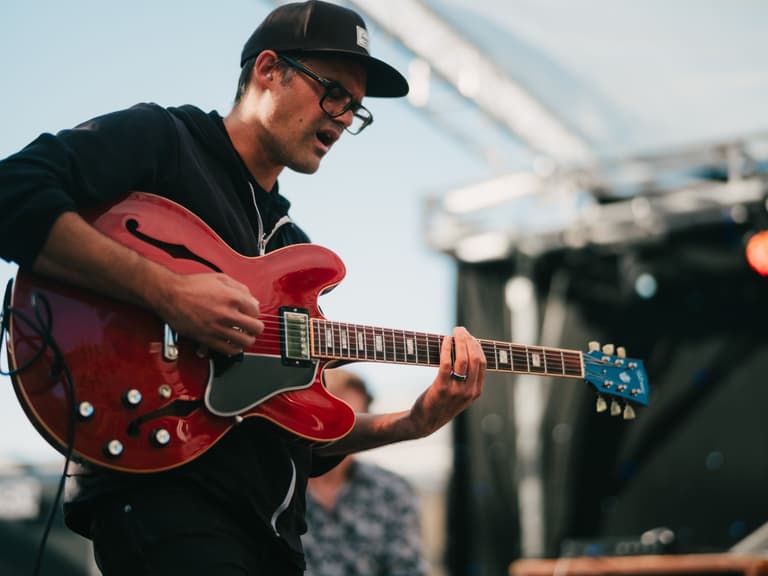
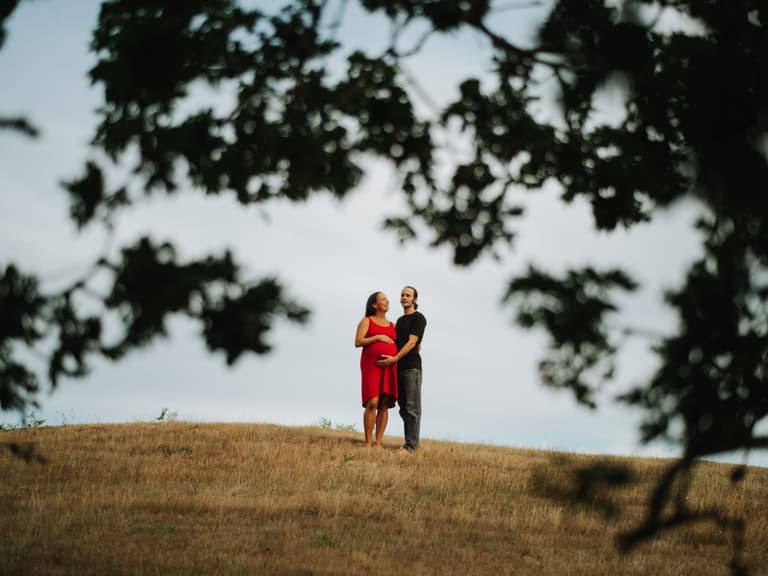
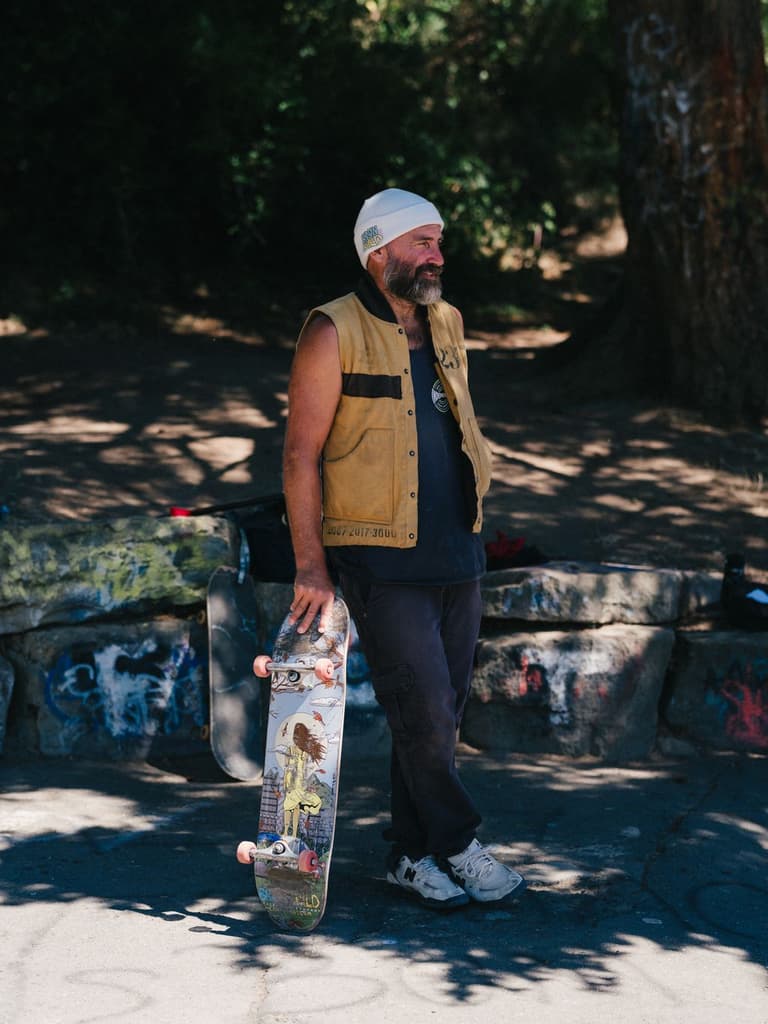
What made these days matter, though, were the people. Local community members came out to sit for the camera, and there is something disarming about the long exposures, you cannot rush a face into stillness, so people settle into themselves, and the plate holds who they really are. Alongside the tintypes I made plenty of digital frames, and you can see more of that side of the work on the photography page. Both ways of seeing have their place; together they told the fuller story of the ranch and the folks who keep it.You cannot rush a face into stillness. You wait, the light does its slow work, and the plate holds who a person really is.
A Thank You to Stacy and the Ranch Hands
None of this would have happened without Stacy and her ranch hands, who were endlessly accommodating from the first morning to the last. They made space for my chemistry and my clutter, pointed me toward the good light, and treated a wandering photographer like one of their own. That kind of welcome is rare, and it shows up in the work. You can feel the ease of it in the plates. I am grateful, and I hope to bring the whole studio kit back before too long.
Bringing the Squamish River Ranch Plates Home
Back on Salt Spring, the plates are drying and being varnished, each one an heirloom object rather than a file on a drive. If you are curious about how this analog work fits alongside the rest of what we make, the journal is where I keep gathering these notes from the road. The Squamish River Ranch will stay with me for a while: the cold water, the open forest, and a few days made kinder by the people who live there.
What is the Squamish River Ranch? +
The Squamish River Ranch is a working horse ranch where the Squamish River runs cold and clear past the paddocks, set where the forest opens onto the water. You can read more about the place and its horses on the ranch's own website.
What is a wet-plate tintype and how is it made? +
A tintype is a hand-poured photographic plate that is poured, sensitised, exposed, and developed while still wet, all within a handful of minutes. Each plate carries the honest imperfections (a drift of grain, a fingerprint of light) that make it worth keeping.
Were both tintype and digital portraits made at the ranch? +
Yes. Alongside the hand-poured tintypes, plenty of digital frames were made with local community members. Both ways of seeing have their place, and together they told the fuller story of the ranch and the folks who keep it.
What happens to the tintype plates after they are made? +
The plates are brought home to Salt Spring Island to dry and be varnished, so each one becomes an heirloom object rather than a file on a drive.